Top Trends in Pet Packaging Solutions for Global Buyers?
The pet industry is rapidly evolving, and so is the need for innovative pet packaging solutions. Pet packaging plays a crucial role in ensuring the quality and safety of pet products. As global buyers look for effective ways to package these items, trends have emerged that focus on sustainability, convenience, and durability.
In recent years, eco-friendly materials have gained traction. Brands are shifting towards biodegradable and recyclable options. This reduces environmental impact and appeals to conscious consumers. However, the transition is not always smooth. Finding the right balance between functionality and eco-friendliness can be challenging.
Moreover, the demand for user-friendly designs is increasing. Consumers want packaging that is easy to open and store. Yet, some companies struggle to implement innovative designs while maintaining product integrity. Ultimately, the evolution of pet packaging will continue to shape the market, reflecting both consumer preferences and industry standards.
Current Trends in Sustainable Materials for Pet Packaging Solutions
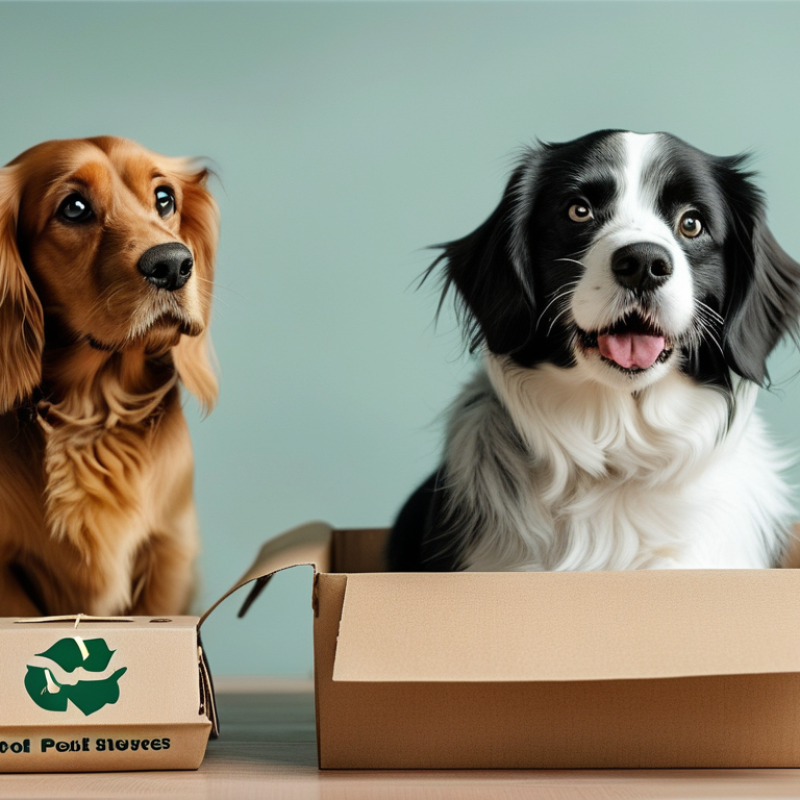
Sustainable materials in pet packaging are on the rise. Many consumers are now prioritizing eco-friendly options. Biodegradable plastics and recycled materials have gained traction. These solutions not only reduce environmental impact but also appeal to conscious buyers.
Companies are experimenting with innovative materials. For example, some are using plant-based plastics derived from cornstarch. While these offer a greener choice, their performance can sometimes be inconsistent. Brands must ensure quality while minimizing harm to the environment. The challenge lies in balancing sustainability with durability in packaging design.
The shift towards sustainable materials also brings its own complexities. Supply chains need to adapt to new manufacturing processes. Stakeholders may face higher costs or longer production times. Continuous improvement is essential for making these materials widely accessible. Addressing these challenges can enhance the overall appeal of sustainable pet packaging.
Impact of E-commerce Growth on Pet Packaging Design and Innovation
The growth of e-commerce has drastically changed pet packaging design and innovation. In 2022, reports indicated that the global pet care e-commerce market was valued at around $25 billion. This figure is projected to grow, influencing how products are packaged. As online shopping rises, packaging must be optimized for shipping. Lightweight materials are increasingly in demand, minimizing costs and reducing carbon footprints.
Consumers now prioritize convenience and sustainability. According to a 2023 survey, over 70% of pet owners prefer brands that use eco-friendly packaging. This has led to innovations like biodegradable materials and recyclable designs. However, many brands still struggle with balancing protection and sustainability. Some packaging fails to adequately protect products during transit, raising concerns.
Furthermore, customization is becoming essential. The desire for personalized products pushes brands to rethink packaging solutions. Simple designs might not suffice. Brands may need to reflect unique identities through their packaging choices. Yet, the challenge remains: how to innovate without compromising efficiency or costs. This evolving landscape demands keen attention and adaptation from all stakeholders in the pet packaging industry.
Technological Advancements in Smart Pet Packaging Solutions
The evolution of smart pet packaging solutions reflects significant technological advancements. These innovations enhance user experience and engage pet owners like never before. For example, packaging that incorporates QR codes provides vital information about ingredients or nutritional benefits. This transparency empowers buyers to make informed choices for their pets.
Moreover, smart packaging technology can monitor product freshness. Sensors embedded in the packaging alert owners when food is nearing expiration. This not only reduces waste but also ensures pet safety. However, challenges remain. Some consumers might find such high-tech solutions overwhelming.
Emerging trends also highlight eco-friendly materials in pet packaging. Biodegradable and recyclable options are becoming more common, aligning with consumer values. Yet, balancing sustainability and functionality is a critical ongoing discussion. The pet industry must consider both the environmental impact and the practicality of packaging innovations.
Consumer Preferences Shaping Pet Packaging Design in 2023
In 2023, consumer preferences are reshaping pet packaging design significantly. A recent report indicates that 70% of pet owners prioritize eco-friendly packaging. They prefer materials that are biodegradable or recyclable. This trend is driven by increased environmental awareness among consumers. Many buyers are choosing brands that align with their values regarding sustainability.
Moreover, convenience remains a key factor in packaging design. Nearly 65% of consumers look for easy-to-open and resealable features. Packaging that enhances usability attracts more purchases. However, challenges remain in balancing durability with flexibility. While innovation is valuable, companies must also learn from feedback and avoid overengineering packages that become too complex for everyday use.
Lastly, aesthetics play a crucial role. Pet owners are drawn to visually appealing designs. Bright colors and engaging graphics can influence purchase decisions. Yet, brands need to strike a balance between functionality and attractiveness. Understanding these trends helps manufacturers meet consumer demands while navigating the evolving landscape of pet packaging.
Global Regulatory Changes Affecting Pet Packaging Compliance and Standards
The landscape of pet packaging is evolving due to global regulatory changes. Compliance with these regulations is crucial for manufacturers. These changes demand attention to materials used and their environmental impact. Many countries are pushing for stricter standards regarding recyclability and safety. Companies must adapt or risk penalties and market rejection.
With these new rules come challenges in sourcing compliant materials. For instance, certain plastics may no longer meet safety standards. This situation prompts companies to seek innovative, sustainable packaging options. Sometimes, these solutions are more costly or logistically complicated. Businesses need to reassess their packaging strategies constantly.
As regulations tighten, buyers must prioritize reliable suppliers. This need can introduce uncertainty in supply chains. It translates to potential delays or increased costs. Companies should be prepared for these hurdles and invest in research. Understanding these regulatory changes is essential for long-term success in pet packaging.