What is Injection Molding Insights from the 139th Canton Fair?
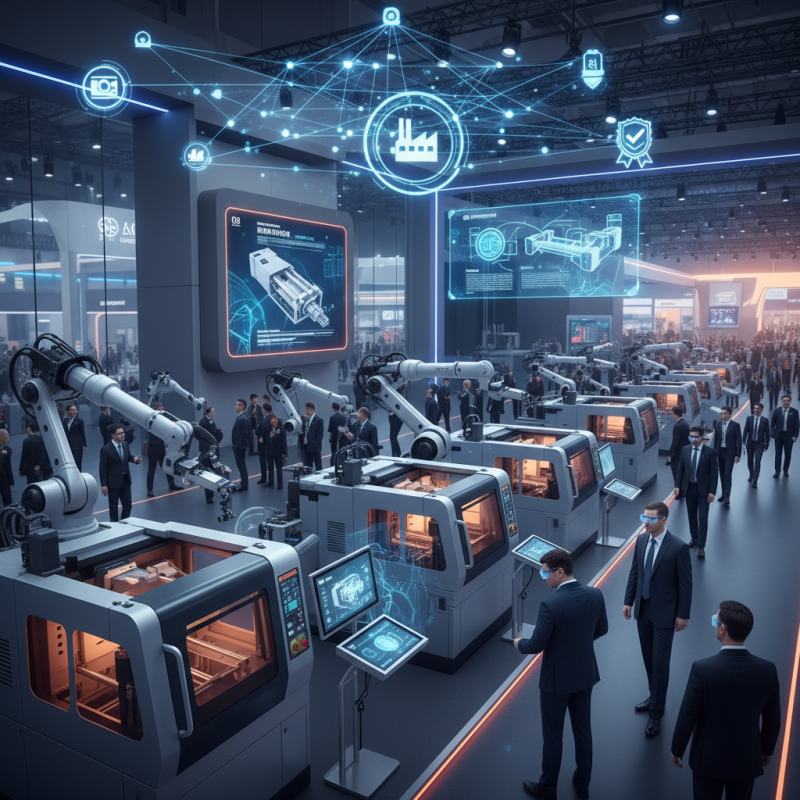
Injection Molding is a crucial manufacturing process shaping various industries. The 139th Canton Fair showcased innovations in advanced manufacturing, including injection molding technologies. Attendees could discover significant advancements that address common challenges in this field.
The fair introduced AI search and navigation features. These tools helped buyers find injection molding suppliers faster. They targeted suppliers with specific qualifications, like ISO and CE certifications. Such innovations notably enhanced efficiency within the expansive 1.55 million square meters of exhibition space.
However, the rapid adoption of technology also invites reflection. Not all suppliers showcased their capabilities effectively. Some potential partners lacked clarity in their offerings. This discrepancy highlights the need for better communication and marketing in the injection molding sector. The insights gained from the fair may guide improvements for future events.
What is Injection Molding? A Basic Definition and Overview
Injection molding is a manufacturing process that creates parts by injecting molten material into a mold. This technique is widely used for producing components from plastics and metals. It allows for intricate designs and high-volume production. The process starts with heating the material until it becomes liquid. This liquid is then forced into a mold, where it cools and hardens into a specific shape.
While injection molding is efficient, it does have its challenges. For example, the initial setup cost for molds is often high. Designers need to carefully consider the mold design to avoid issues such as warping or incomplete filling. Small mistakes can lead to substantial waste and financial loss. Furthermore, the choice of material can greatly impact the final product's quality and performance, requiring manufacturers to stay vigilant.
In discussions at events like the Canton Fair, industry experts share insights on innovations. New materials and automated processes can enhance efficiency. However, the pressure to balance cost and quality remains. Only through continued learning and adaptation can companies succeed in this competitive field.
Historical Development of Injection Molding Technology
Injection molding has evolved significantly since its inception in the 19th century. Early methods were simplistic and often inefficient. The first patent for a plastic molding process was granted in 1872. This marked a key turning point in manufacturing. According to industry reports, the global injection molding market reached approximately $22 billion in 2022. The technology has since transformed into a highly automated and precise process.
The 20th century brought about crucial advancements. The introduction of thermoplastics in the 1930s revolutionized production capabilities. By the 1950s and 60s, the development of electric injection molding machines improved energy efficiency. However, issues such as cycle time and waste still needed addressing. Despite these setbacks, the injection molding industry has continued to grow. It is projected to expand at a CAGR of 5% from 2023 to 2030, reflecting robust demand across sectors.
Recent years also highlighted the importance of sustainability. As the world shifts towards eco-friendly practices, the industry faces pressure to minimize waste. While strides have been made in recycling, challenges remain. Not all materials are easily reusable. Manufacturers must invest further in innovation to overcome these hurdles. This reflects a necessary evolution in the injection molding landscape, driven by both technological advancements and environmental considerations.
What is Injection Molding Insights from the 139th Canton Fair? - Historical Development of Injection Molding Technology
| Year | Technology Development | Key Innovations | Market Impact |
| 1872 | First Injection Molding Machine Patented | Mechanized molding process | Emergence of molded plastic products |
| 1930s | Advancements in Material Technology | Introduction of thermoplastics | Increased product range and usability |
| 1960s | Automation in Injection Molding | Use of hydraulic presses | Greater efficiency and precision |
| 1980s | Development of Computer-Aided Design (CAD) | Integration of CAD/CAM in design | Improved design accuracy and productivity |
| 2000s | Sustainability in Injection Molding | Bio-based plastics and recycling | Focus on eco-friendly production |
| 2020s | Smart Manufacturing and Industry 4.0 | IoT and automation technologies | Enhanced data-driven decision making |
Key Applications of Injection Molding in Various Industries
Injection molding is a versatile manufacturing process widely used in various industries. This technique allows for the production of plastic parts with intricate designs and high precision. From automotive components to household items, its applications are abundant. The method shortens production time and reduces waste significantly, making it a preferred choice for mass production.
In the automotive sector, injection molding is essential. It produces dashboards, panels, and other components. These parts require durability and lightweight materials. The contributions of injection molding to cost efficiency are notable. However, poor design can lead to defects, which manufacturers must avoid.
Tips for successful injection molding involve understanding material properties. Not all plastics are equal; some may not suit specific applications. Additionally, ensure proper machine settings for optimal production. Small mistakes can result in larger complications. Factoring in cooling time is crucial. Overlooking this can affect the final product quality greatly.
Recent Innovations in Injection Molding Machinery and Techniques
The 139th Canton Fair showcased exciting innovations in injection molding machinery and techniques. Manufacturers are pushing boundaries to enhance efficiency and sustainability. New machines are more compact yet powerful, providing faster cycle times without sacrificing quality. Automation is transforming the production landscape, making processes smoother.
Tips: Consider exploring the benefits of hybrid machines. They combine the best of both electric and hydraulic systems. You can achieve a more precise molding process. Always evaluate your production needs before investing in new technology.
Monitoring energy consumption is crucial. New machines are designed to be energy-efficient, reducing operational costs. It’s vital to stay updated on these trends. However, transitioning to new machinery may come with challenges. Training your staff on new equipment can be daunting. Regular feedback and training sessions can aid in overcoming these hurdles.
Insights Gained from the 139th Canton Fair on Injection Molding Trends
The 139th Canton Fair showcased major trends in injection molding. One noticeable trend is the growing demand for eco-friendly materials. Reports indicate that over 35% of industry participants are prioritizing sustainability in their production processes. Numerous exhibitors displayed biodegradable plastic solutions. It reflects a market shift towards environmentally conscious practices.
Moreover, advancements in technology stood out. Experts suggest that automation and AI integration can enhance efficiency in injection molding. Data shows that companies adopting these technologies reported a 20% increase in production speed. However, it raises concerns about cost implications for smaller enterprises. There’s a gap between large manufacturers and smaller players in accessing these innovations.
The fair also emphasized the importance of customization. Customers increasingly seek tailored products. A staggering 60% of surveyed business leaders voiced the need for flexible manufacturing solutions. However, achieving that flexibility requires significant investment in both technology and workforce training. Many attendees acknowledged this challenge and discussed potential strategies to overcome it.