2026 How to Recycle Plastic Bottles Effectively?
Plastic bottles have become a common part of daily life. In 2021 alone, the world generated over 400 million metric tons of plastic waste, with around 60% of that from single-use products. Recycling plastic bottles is crucial to reducing landfill waste. Yet, many consumers remain unaware of best practices for effective recycling.
Despite efforts, only 9% of plastic waste is recycled globally. This statistic highlights a significant gap in recycling processes. Many plastic bottles are improperly disposed of, leading to environmental harm. Moreover, confusion about recycling codes often prevents proper sorting. Industry reports reveal that proper education can increase recycling rates significantly.
To tackle this issue, understanding how to recycle plastic bottles effectively is essential. Increased awareness and adherence to guidelines can lead to tangible improvements. Industry experts recommend community programs for better education. Each small action can contribute to a larger solution, but reflection on current practices is necessary.
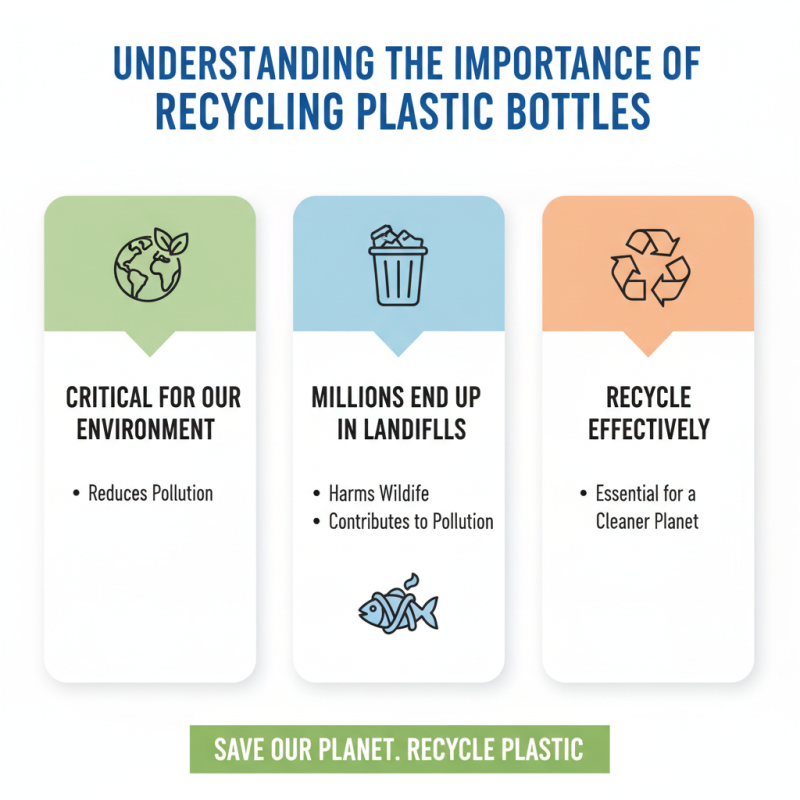
Understanding the Importance of Recycling Plastic Bottles
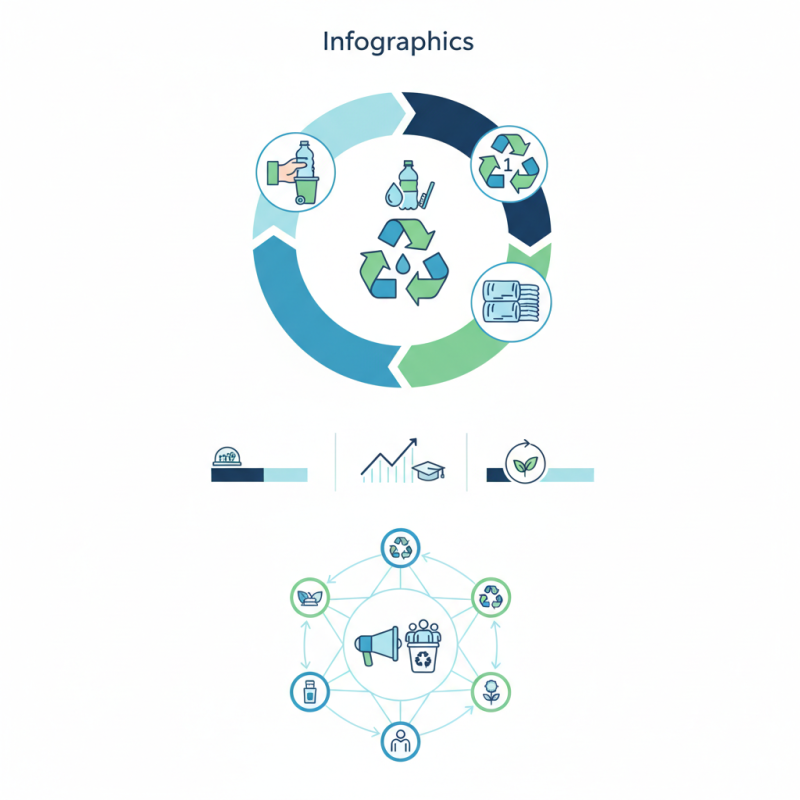
Recycling plastic bottles is critical for our environment. Every year, millions of plastic bottles end up in landfills. This contributes to pollution and harms wildlife. Understanding how to recycle them effectively is essential.
When it comes to recycling bottles, preparation is key. Rinse out bottles to remove residues. Neck and cap should be removed if required by local guidelines. Flatten bottles to save space. This small effort makes a big difference. It improves the recycling process and keeps facilities running smoothly.
Consider your local recycling options. Not all regions recycle the same materials. Check which plastics your municipality accepts. You may find that certain types of bottles are not recyclable in your area. This is an opportunity to reflect on waste management practices.
Try to reduce your plastic consumption. Use reusable bottles whenever possible. Encourage friends and family to do the same. Educating others can amplify your efforts. Remember, while recycling is important, reducing waste is even better for our planet. Each small step counts in the fight against plastic pollution.
Identifying Different Types of Plastic Bottles for Recycling
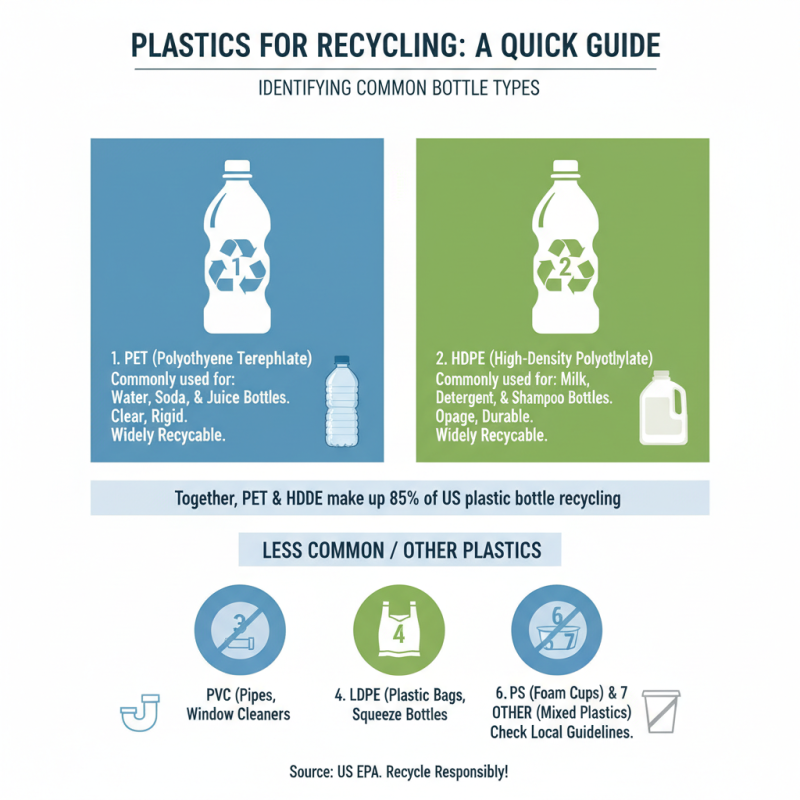
Recycling plastic bottles begins with understanding their types. Plastic bottles are typically made from different polymers, each classified by a recycling code. These codes range from 1 to 7. The most common types are PET and HDPE, which represent nearly 85% of US plastic bottle recycling.
PET, labeled with a recycling code of 1, is used for soft drink and water bottles. It is highly recyclable and often turned into new bottles or polyester fibers. In contrast, HDPE, marked as 2, is used for milk jugs and detergent bottles. It is tougher but equally recyclable. Reports indicate that nearly 28% of PET bottles get recycled, while HDPE has a slightly higher rate at around 30%.
However, many consumers struggle to identify these codes. Misplaced bottles often contaminate recycling streams. A study highlighted that nearly 25% of recyclable plastics end up in landfills due to incorrect sorting. This highlights the need for better public education on recycling practices. As we push for increased recycling rates, improving awareness of plastic types is crucial for a sustainable future.
Step-by-Step Guide to Preparing Plastic Bottles for Recycling
Recycling plastic bottles is essential for a sustainable future. However, many people are unsure how to prepare these bottles properly. This guide will help you understand the steps needed to recycle effectively.
Start by rinsing the bottles. Ensure they are clean and free from residue. A quick rinse with water usually suffices. Remove the caps as they are often made from different types of plastic. This small action can improve the recycling process significantly.
Next, flatten the bottles. This makes storage easier and allows for more efficient transportation. Crushing them helps save space in recycling bins. Be mindful, though—overly compacted bottles can be difficult for recycling facilities to process. Always check your local recycling guidelines for specific instructions, as practices can vary. Ultimately, making these small efforts contributes to a larger environmental impact.
2026 Plastic Bottle Recycling Rates by Type
This chart illustrates the estimated recycling rates of various types of plastic bottles in 2026. The data reflects efforts for effective recycling and waste management practices.
Exploring Local Recycling Programs and Facilities
Recycling plastic bottles is crucial for reducing environmental pollution. Local recycling programs play a vital role in this process. According to the Environmental Protection Agency (EPA), only 29% of plastic bottles are recycled in the United States. This statistic highlights the need for better community engagement.
Local facilities often vary in their capabilities. Some accept only certain types of plastics, while others have comprehensive programs. For example, cities like San Francisco have implemented successful curbside collection services that have significantly increased recycling rates. These initiatives demonstrate that well-structured programs can lead to measurable improvements.
Communities must actively promote these resources. Awareness campaigns can educate residents about what can be recycled. Many still throw away items they think are not recyclable. Engagement is essential for success; communities can partner with local groups to create workshops. It's not just about having a program; it's about making it effective and accessible. The challenge lies in ensuring participation and understanding among residents.
2026 How to Recycle Plastic Bottles Effectively? - Exploring Local Recycling Programs and Facilities
| City |
Recycling Facility |
Bottle Collection Frequency |
Types of Accepted Plastics |
Contact Information |
| New York |
NYC Recycling Center |
Weekly |
#1, #2, #5 |
(123) 456-7890 |
| Los Angeles |
LA Recycling Hub |
Bi-weekly |
#1, #2, #4, #5 |
(234) 567-8901 |
| Chicago |
Chicago Eco Center |
Weekly |
#1, #2, #3, #5 |
(345) 678-9012 |
| Houston |
Houston Recycling Services |
Monthly |
#1, #2, #5 |
(456) 789-0123 |
| Phoenix |
Phoenix Recycling Center |
Every two weeks |
#1, #2 |
(567) 890-1234 |
Innovative Ways to Upcycle Plastic Bottles After Use
Plastic bottles can be transformed into creative projects. Instead of tossing them, consider upcycling. One idea is to create planters. Cut bottles in half, fill them with soil, and add small plants. This not only reduces waste but also beautifies your space.
Another innovative approach is making functional items. Plastic bottles can be used to organize items. Cut them into sections and use them to hold pens, brushes, or tools. This method helps clear clutter and gives a new purpose to the plastic.
However, not all upcycling attempts are successful. It can be challenging to find the right balance between creativity and functionality. Sometimes, the result may not be as aesthetically pleasing as hoped. Focus on experimenting and learning from each project. Remember, every effort helps our environment.